



Location
No. 228 North Street, Gaobeidian City, Hebei Province

Opening Hour
09:00 AM - 06:00 PM
Monday - Saturday
For More Information
Your Email Address
SIGN UP
Industries Provide Best Services
It has a number of invention patents and utility model patents, has passed a number of
management certification system certification certificates, and won the honorary title of
"National high-tech Enterprise" and "Hebei Province Specialized in special new small and
medium-sized enterprises."
VIEW MORE

usb stick dust cap
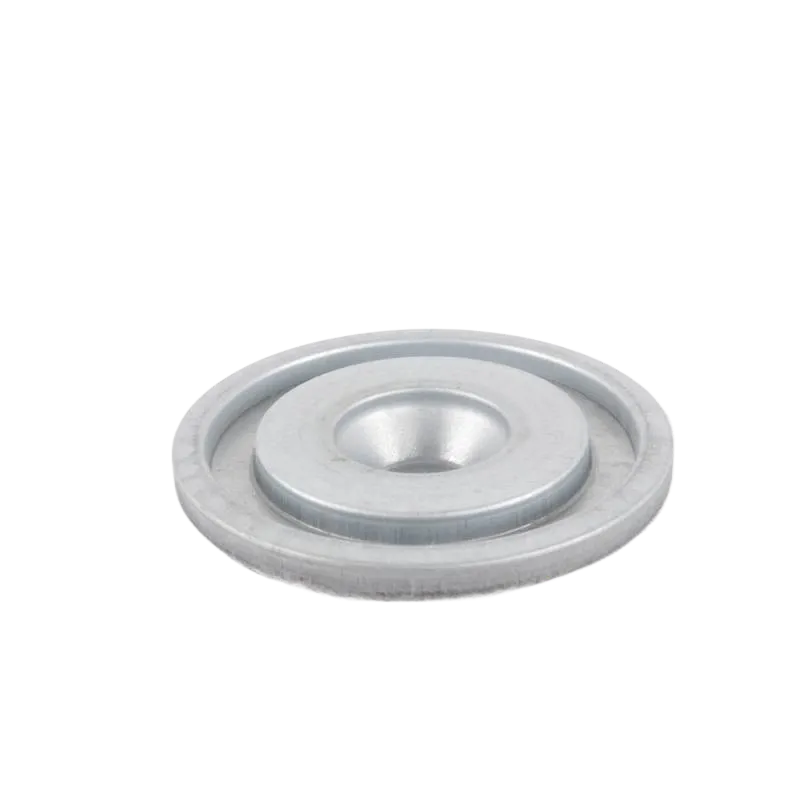
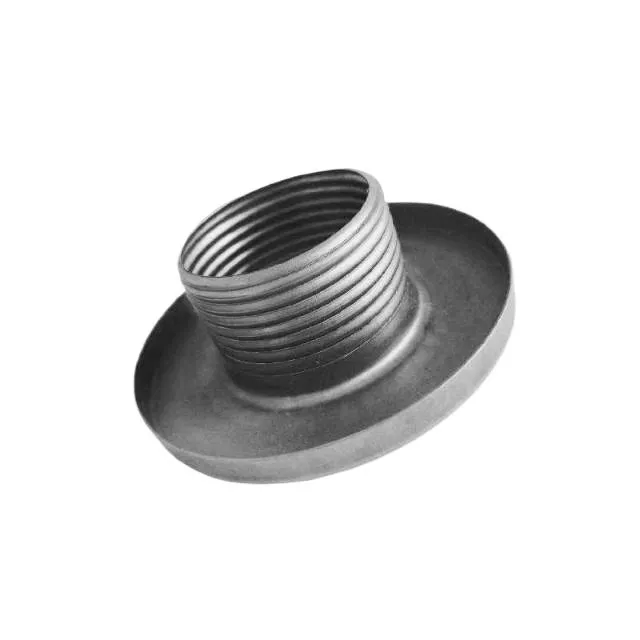
Rubber Cover Caps: small parts, big protection If you work around piping, threaded studs, cable glands, or delicate machined ends, you already know the unsung heroes: rubber cover caps . Funny thing—people often notice them only when they’re missing. In the field, I’ve seen a $5 cap prevent a $5,000 repaint, and that’s not exaggeration. Our team in No. 228 North Street, Gaobeidian City, Hebei Province has been pairing precision metal end caps with durable elastomer covers for years; the combo is tougher than it looks. What’s trending (and why it matters) There’s a quiet shift toward IP-rated sealing, halogen-free compounds, and color-coded caps for assembly error-proofing. Automotive and HVAC buyers ask for traceable batches, while electronics teams care about outgassing and REACH/RoHS. Surprisingly, more buyers now request dual-purpose caps that double as plug seals during shipping pressure tests. Typical applications Thread and tube protection during painting, plating, or shipping End sealing for metal end caps on hydraulic lines and cable conduits Dust and moisture barriers on control panels, sensors, and junction boxes Noise and vibration damping on furniture feet and appliance legs Materials, process, and service life We typically build rubber cover caps from NBR, EPDM, or Silicone. NBR handles oils, EPDM beats weather/ozone, and Silicone is the temperature champ. Manufacturing is done via compression or injection molding (for tighter tolerances). Real-world service life? Around 5–10 years outdoors with EPDM, longer indoors. We validate with ASTM D2240 (hardness), D412 (tensile), D395 (compression set) and IP testing per IEC 60529 when sealing is required. Product specifications (typical) Parameter Spec (≈, real-world use may vary) Material NBR / EPDM / Silicone (FDA-grade silicone optional) Hardness Shore A 40–80 (±5) Temp Range NBR: −30 to 100°C; EPDM: −40 to 120°C; Silicone: −55 to 200°C Diameter Fit 3 mm–120 mm (custom up to 300 mm) Protection IP54–IP67 achievable with groove/lip design Compliance ISO 9001, REACH, RoHS; material per ASTM D2000/SAE J200 How we build them (quick flow) Design: CAD fit around mating metal end caps; tolerance stack-up checked. Molding: Compression for cost; injection for precision and surface finish. Post-cure: For silicone, to reduce volatiles (electronics-safe). Testing: Hardness, tensile, compression set, IP water/dust checks, salt spray on assemblies. Packing: Anti-dust polybags, batch traceability QR, optional color coding. Vendor comparison (editor’s snapshot) Vendor MOQ Lead Time Certs Customization Notes FY Gasket (Hebei) 1,000 pcs 10–20 days (tooling 2–3 wks) ISO 9001, RoHS, REACH Color, logo, IP lip, special durometer In-house metal end caps + rubber cover caps Vendor B 5,000 pcs 3–5 weeks ISO 9001 Limited colors Catalog sizes only Field notes and mini case studies Automotive: Switched to EPDM rubber cover caps with tighter lips; paint defects dropped 42% in the pretreatment line. Marine electronics: Silicone caps with IP67 groove; passed 1,000 h salt spray on the assembly, zero ingress. Customer feedback? “Fit feels snug but not stubborn,” one HVAC assembler said. That balance—grip vs. easy install—is the whole game. Quality and certifications Our site operates under ISO 9001. Materials are screened against REACH SVHC and RoHS 3. For sealing claims, we reference IEC 60529 and list the achieved IP rating on the drawing. For rubber properties, we align to ASTM D2000 callouts—keeps engineering conversations sane and comparable. Final thought Whether you’re protecting a machined metal end cap or keeping dust out of a sensor port, rubber cover caps are that cheap insurance you’ll rarely regret buying. If you need tweaks—color, logo emboss, special durometer—just ask; tooling isn’t as scary as it used to be. References ASTM D2000 (SAE J200) Classification System for Rubber Products IEC 60529: Degrees of protection (IP Code) ISO 9001: Quality Management Systems EU RoHS Directive (2011/65/EU and amendments) ECHA REACH Regulation and SVHC Candidate List
-
1985Year/Establishment
-
4hm²/Land area
-
150People/Number of employeesent
Company Advantage
Our Advantage Is To
Change Your Company
Change Your Company
-

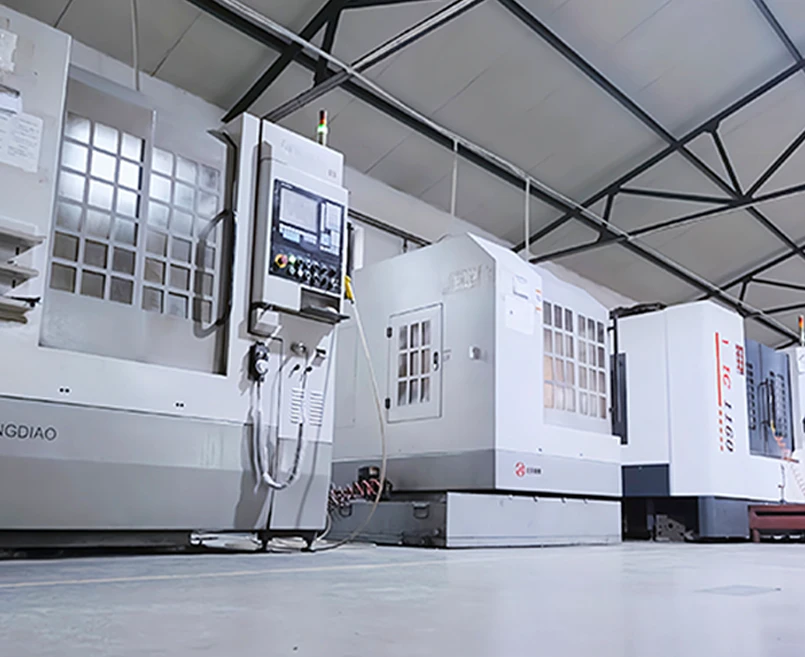
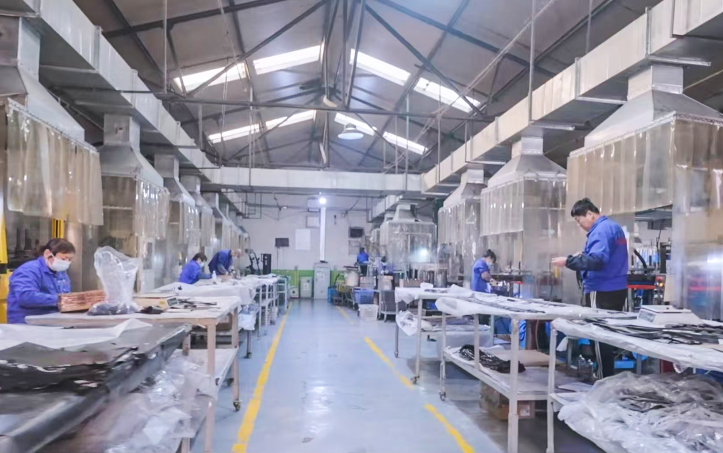
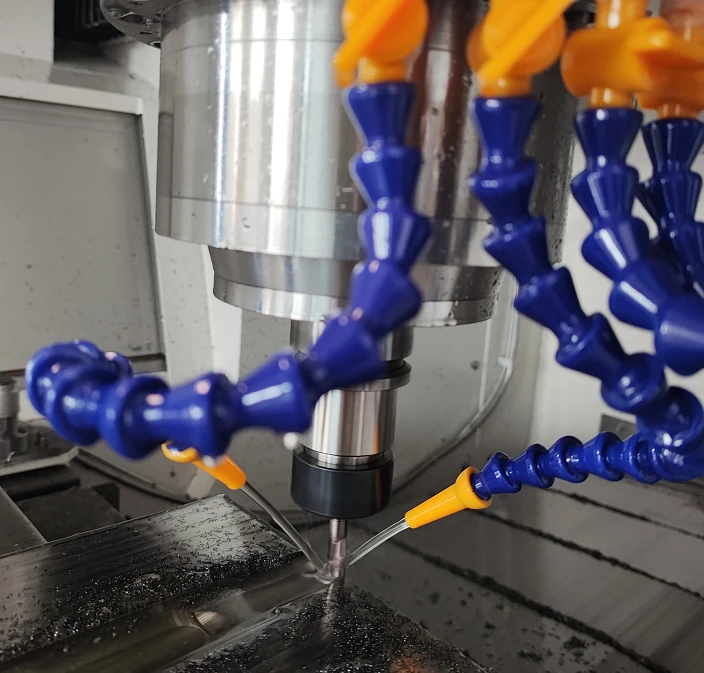
 ProfessionalWith 40 years of experience in customizing rubber and plastic products, we have rich production experience, advanced equipment, and a professional quality inspection system
 -

 ServiceProviding a full range of services including design, research and development, production, testing, etc., personalized customization, customer first, and quick response
 -

 ResourcesFactory direct supply, over a thousand application formulas and selection solutions, worry free after-sales service
Company Honor
Enterprise
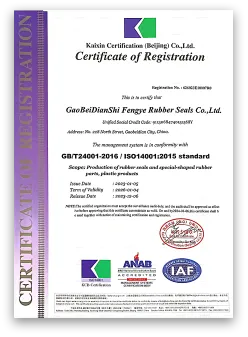
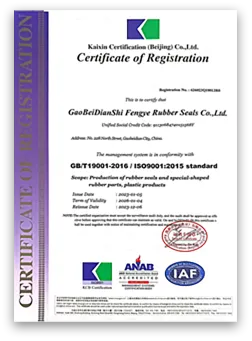
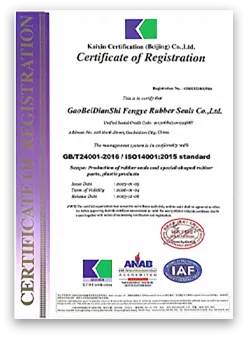
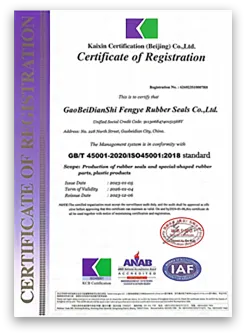
Honor Certificate
Honor Certificate
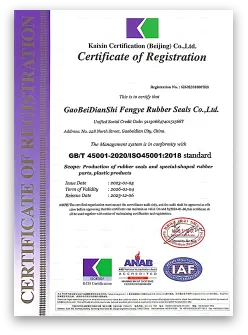
Has passed a number of management certification system certification
certificates, and won the honorary title of "National high-tech Enterprise" and "Hebei
Province Specialized in special new small and medium-sized enterprises."
VIEW MORE
Company News
Latest Blog & Aritcles
-
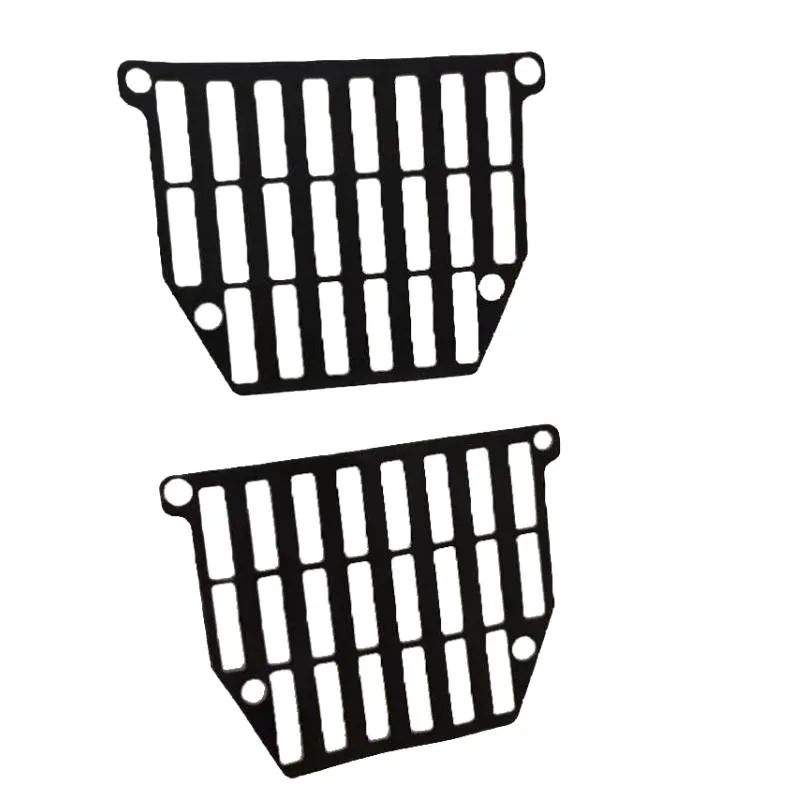 Explore Premium Rubber Wheels for You2026-04-06 05:28When it comes to reliable, high-performance wheels for various industrial and commercial uses, GaoBeiDianShi Fengye Rubber Seals Co., Ltd. is your go-to source. Our range of rubber wheel s, including rubber wheels for sale , industrial rubber wheels , and thermoplastic rubber wheels , is designed to meet the diverse demands of your business. Whether you need wheels for light-duty applications or h
 -
-
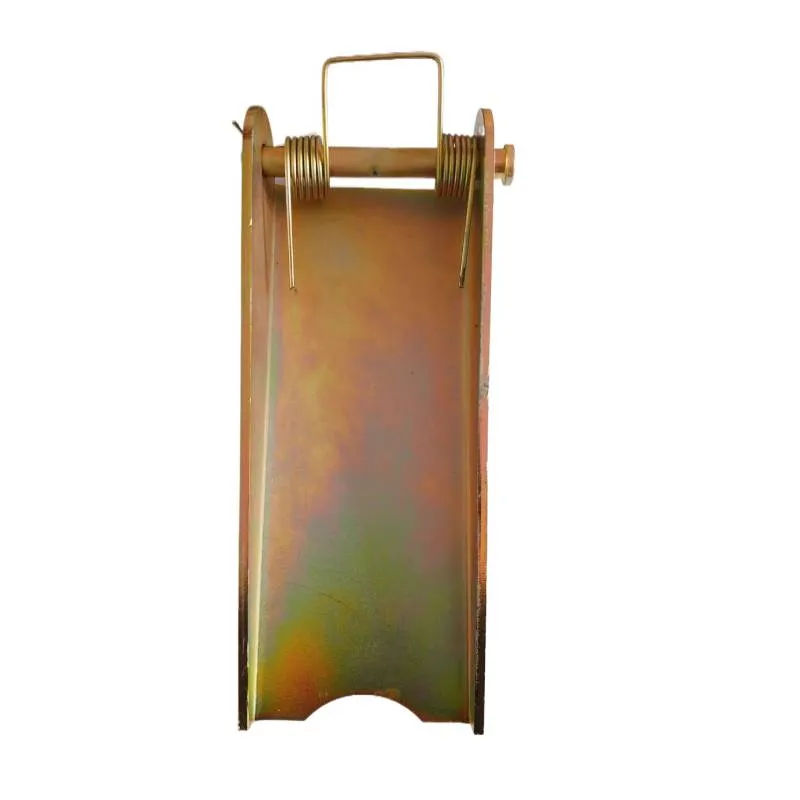 Advantages of Plastic Corrugated Pipes Over Traditional Metal Pipes in Construction2026-04-06 04:32When it comes to choosing piping materials for construction projects, hdpe corrugated pipe are increasingly becoming the preferred choice for many contractors and engineers. While traditional metal pipes such as steel and copper have long been the standard in various applications, the rise of plastic corrugated pipes offers distinct advantages that are reshaping the way infrastructure is designed
GaoBeiDianShi Fengye Rubber Seals Co.,Ltd
We take the rubber parts and plastic parts production as the leader ,
set customization, research and development,
Quick Links
Our Products
Contact Us
- Mob: +86 0312-2911666/+86 0312-2911318
- Fax: 0312-2911511
- Email: rubber@hbfengye.com/
- Add: No. 228 North Street, Gaobeidian City, Hebei Province
Copyright © 2025 GaoBeiDianShi Fengye Rubber Seals
Co.,Ltd. All Rights Reserved. Privacy
Policy


